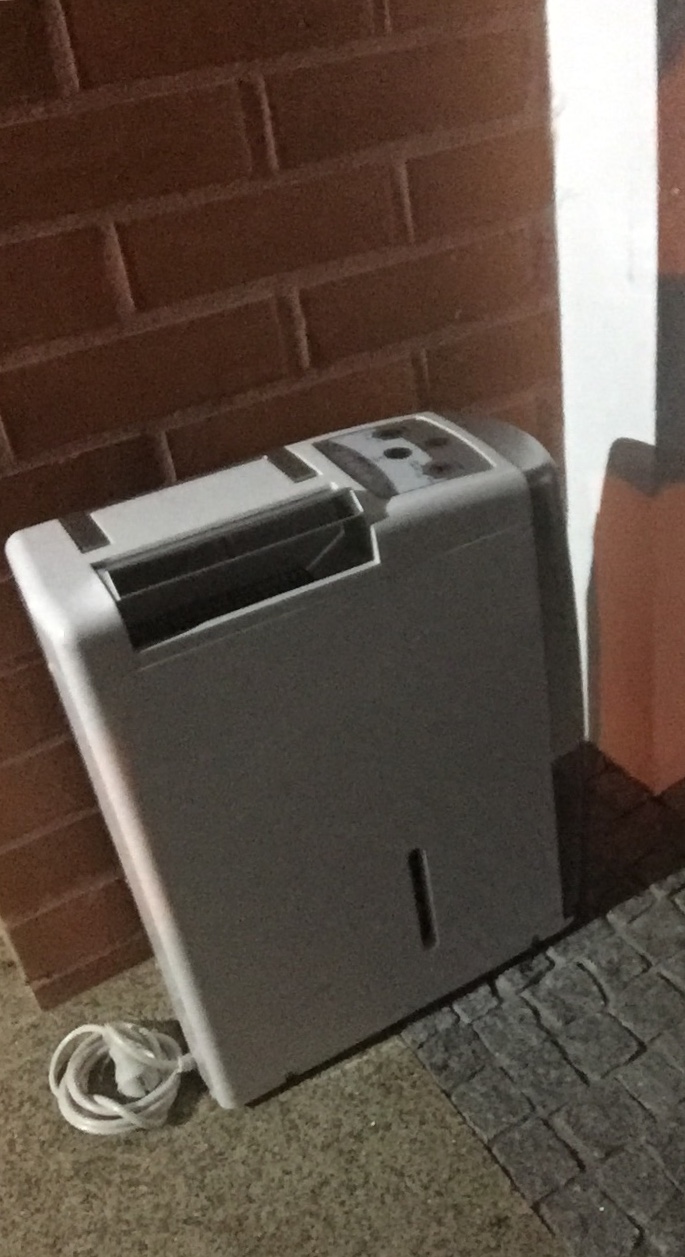
Humidity Control: DIY Tips for Muggy Miami Homes
Imagine stepping into your home after a hot, humid South Florida day. You open the windows, but the air still feels thick and sticky. The humidity is making your home feel like a sauna, and you're wondering how to keep it comfortable. You're not alone. Miami's high humidity levels can make indoor air quality a challenge, but there are ways to manage it. Let's explore some DIY tips to help you control the humidity in your home.
Miami's high humidity can make your home feel stuffy and uncomfortable. To control it, use dehumidifiers, improve ventilation, and clean air filters regularly. If you're dealing with excessive humidity, it's a good idea to call North Miami Air Care at (786) 892-8383 for professional help.
Why is humidity a problem in Miami homes?
Miami's climate is known for its high humidity levels, which can range from 60% to 90% year-round. This high humidity can cause several problems in your home:
- Mold and mildew growth: High humidity creates the perfect environment for mold and mildew to thrive. These can cause health issues and damage your home's structure.
- Poor indoor air quality: Humidity can trap dust, pollen, and other allergens, making it harder to breathe.
- Discomfort: High humidity can make your home feel stuffy and uncomfortable, especially during the hot months.
Understanding these issues can help you take the necessary steps to control humidity in your home.
How can I measure the humidity in my home?
Measuring the humidity in your home is the first step in controlling it. You can use a simple humidity meter to check the levels. Here's how to do it:
- Find a quiet spot: Choose a spot in your home that's not near any heat sources, such as a window or fireplace.
- Place the meter: Place the humidity meter in the spot you've chosen. Make sure it's level and not near any walls or furniture.
- Check the reading: The meter will display the current humidity level. Note the reading and check it again after a few hours to see if it changes.
Knowing your home's humidity levels can help you determine if you need to take action to control it.
What are some DIY ways to control humidity in my home?
There are several DIY methods you can use to control humidity in your home. Here are some effective tips:
Use a dehumidifier
A dehumidifier is a great tool for controlling humidity in your home. It works by removing moisture from the air and collecting it in a tank. Here's how to use one:
- Choose the right size: Make sure to choose a dehumidifier that's appropriate for the size of your home. A larger home will require a more powerful dehumidifier.
- Place it correctly: Place the dehumidifier in a spot that's easy to access and not near any heat sources. Make sure it's on a level surface.
- Empty the tank regularly: Empty the tank when it's full to prevent it from overflowing. This will also help you keep track of how much moisture the dehumidifier is removing from the air.
Using a dehumidifier can help you keep your home comfortable and reduce the risk of mold and mildew growth.
Improve ventilation
Improving ventilation in your home can help control humidity levels. Here are some ways to do it:
- Open windows: Open windows to allow fresh air to circulate. Make sure to close them when it's not raining or when the humidity levels are high.
- Use fans: Use ceiling fans or portable fans to circulate air. Make sure to keep them clean and well-maintained.
- Use exhaust fans: Install exhaust fans in your kitchen and bathroom to remove moisture from the air.
Improving ventilation can help you keep your home comfortable and reduce the risk of mold and mildew growth.
Clean air filters regularly
Cleaning air filters regularly can help control humidity levels in your home. Here's how to do it:
- Locate the filters: Find the air filters in your home. They are usually located in the furnace, air conditioner, or HVAC system.
- Remove the filters: Remove the filters and inspect them for dirt, dust, and other debris.
- Clean or replace the filters: Clean the filters with a vacuum or replace them if they are dirty or damaged.
Cleaning air filters regularly can help improve indoor air quality and reduce humidity levels.
Use a humidifier in the winter
In the winter, when the air is dry, you can use a humidifier to add moisture to the air. Here's how to use one:
- Choose the right size: Make sure to choose a humidifier that's appropriate for the size of your home. A larger home will require a more powerful humidifier.
- Place it correctly: Place the humidifier in a spot that's easy to access and not near any heat sources. Make sure it's on a level surface.
- Fill the tank regularly: Fill the tank with water regularly to keep the humidifier running. Make sure to empty and refill the tank as needed.
Using a humidifier in the winter can help you keep your home comfortable and reduce the risk of dry skin and respiratory issues.
What should I do if I have excessive humidity in my home?
If you're dealing with excessive humidity in your home, it's important to take action to control it. Here are some steps you can take:
- Use a dehumidifier: A dehumidifier can help you remove moisture from the air and keep your home comfortable.
- Improve ventilation: Improving ventilation can help you keep your home comfortable and reduce the risk of mold and mildew growth.
- Clean air filters regularly: Cleaning air filters regularly can help improve indoor air quality and reduce humidity levels.
- Address any leaks: If you have any leaks in your home, such as a leaky roof or a broken pipe, it's important to address them as soon as possible to prevent further damage.
If you're still dealing with excessive humidity after trying these steps, it's a good idea to call a professional for help.
This video provides a step-by-step guide on how to use a dehumidifier to control humidity in your home. It covers topics such as choosing the right size, placing the dehumidifier correctly, and emptying the tank regularly. Watching this video can help you understand how to use a dehumidifier effectively and keep your home comfortable.
How often should I clean my air filters?
Cleaning your air filters regularly is important for controlling humidity and improving indoor air quality. Here are some guidelines:
- Monthly: If you have pets or allergies, it's a good idea to clean your air filters every month.
- Every 3 months: If you don't have pets or allergies, you can clean your air filters every 3 months.
- Every 6 months: If your home is in a high-humidity area, such as Miami, it's a good idea to clean your air filters every 6 months.
Following these guidelines can help you keep your home comfortable and reduce the risk of mold and mildew growth.
What are the signs of mold and mildew in my home?
Mold and mildew can grow in your home if the humidity levels are too high. Here are some signs that you may have mold and mildew:
- Musty smell: A musty smell can indicate the presence of mold and mildew.
- Visible growth: You may see visible mold and mildew growth on walls, ceilings, or furniture.
- Allergic reactions: If you or your family members are experiencing allergic reactions, such as sneezing, coughing, or watery eyes, it could be a sign of mold and mildew.
If you notice any of these signs, it's important to take action to address the issue.
How can I prevent mold and mildew growth in my home?
Preventing mold and mildew growth in your home is important for maintaining a healthy and comfortable living environment. Here are some tips:
- Control humidity: Keep humidity levels below 50% to prevent mold and mildew growth.
- Improve ventilation: Improve ventilation in your home to allow fresh air to circulate and reduce humidity levels.
- Clean regularly: Clean your home regularly to remove dirt, dust, and other debris that can contribute to mold and mildew growth.
- Address leaks: Address any leaks in your home, such as a leaky roof or a broken pipe, to prevent further damage and mold growth.
Following these tips can help you prevent mold and mildew growth in your home and keep it comfortable and healthy.
When to call us
If you're dealing with excessive humidity, mold, or mildew in your home, it's important to call a professional for help. North Miami Air Care is here to assist you with all your HVAC needs. Give us a call at (786) 892-8383 and we'll be happy to help. We serve North Miami and nearby areas, and our hours are Monday through Saturday, 8 AM to 8 PM.
```