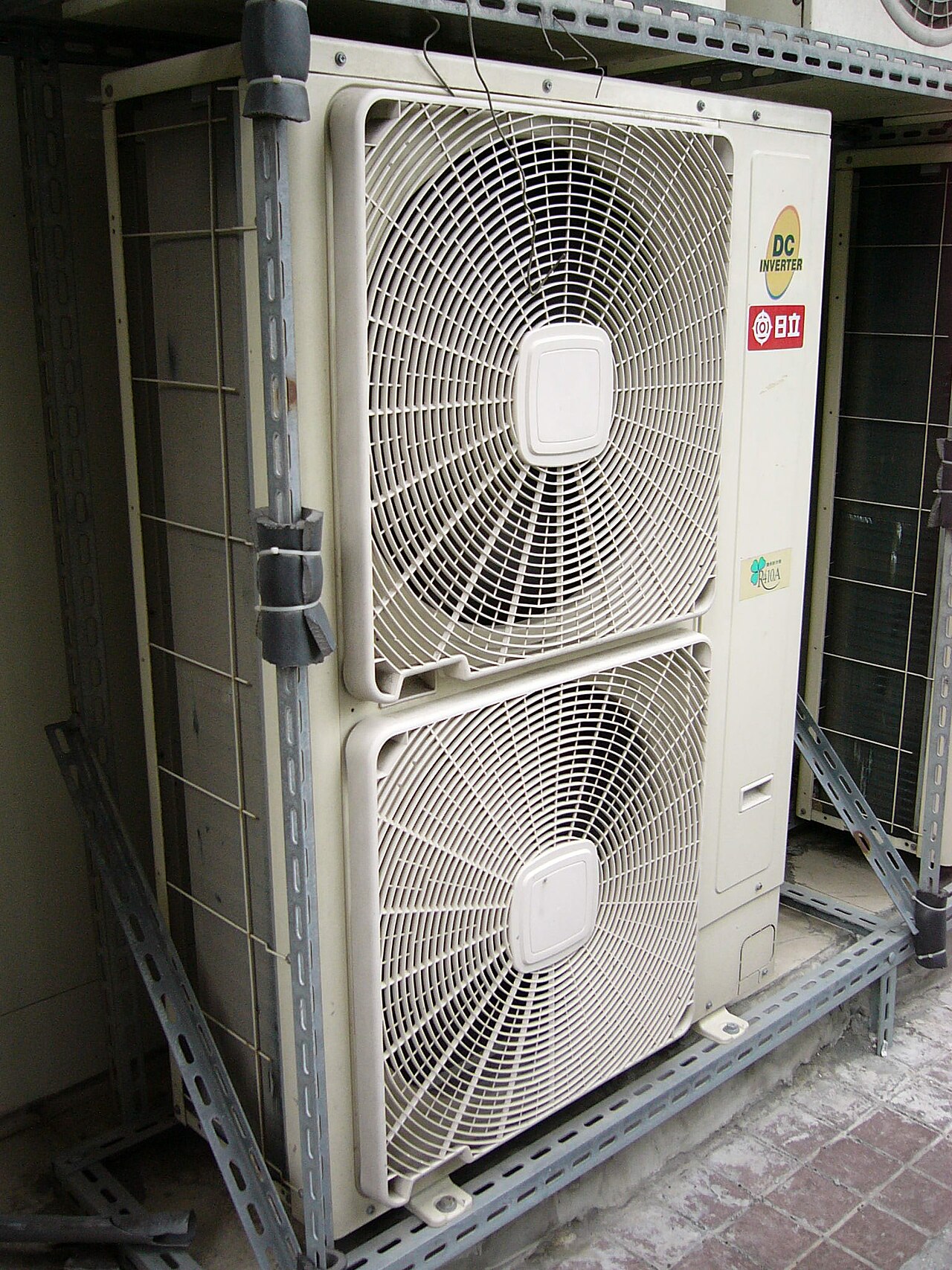
It’s 3:15 p.m. on a late-June afternoon in North Miami, and the air outside feels like it’s been pressed flat by the sun. You step inside your home, close the door, and—nothing. Not even a whisper of relief. The AC hums weakly, but the air that comes out? Warm enough to toast a bagel. Your system’s been struggling for weeks, and now you’re staring at the data plate on your outdoor condenser unit, wondering why your AC can’t keep up. That’s where the SEER rating comes in—it’s the number that tells you how efficiently your system cools your home. But what does it actually mean, and how do you find yours? Let’s break it down.
The SEER rating is a measure of your air conditioner’s efficiency, specifically how many BTUs (British Thermal Units) of cooling it produces per dollar of electricity spent. The higher the SEER rating (typically between 13 and 26), the more efficient your system is. To find your SEER rating, look for the yellow data plate on your outdoor condenser unit—it’s usually labeled "SEER" or "EER" with a number next to it.
What Is a SEER Rating, and Why Does It Matter?
The SEER (Seasonal Energy Efficiency Ratio) rating is like the fuel efficiency sticker on a car—it tells you how well your air conditioner performs compared to the electricity it uses. Think of it this way: if your AC had a mileage rating, a higher SEER means it gets "more miles per gallon" of energy, cooling your home more effectively for less cost. In South Florida’s brutal summer heat, where your AC runs nonstop, efficiency isn’t just a nice-to-have—it’s a necessity. A higher SEER rating means lower energy bills and a system that lasts longer, which is especially important when you’re dealing with the relentless humidity and 90-degree days that keep your AC working overtime.
Here’s the breakdown: the U.S. Department of Energy sets minimum SEER ratings for new AC units. For most of Florida, the minimum is 14 SEER, but newer, high-efficiency models can range up to 26 SEER. That extra efficiency isn’t just about saving money—it’s about reducing your carbon footprint. When your AC runs more efficiently, it uses less electricity, which means less strain on the grid, especially during peak hours when everyone else is blasting their AC to escape the heat.
How to Find Your AC’s SEER Rating
Finding your SEER rating is easier than you think. Here’s what to look for:
- Locate the data plate on your outdoor condenser unit. This is a yellow or white rectangular plate, usually mounted on the side or top of your outdoor AC unit. It’s like the "engine specifications" sticker on a car—it has all the key details about your system.
- Look for the SEER or EER rating. The SEER rating is typically labeled as "SEER" or "Seasonal Energy Efficiency Ratio." It might also be listed alongside the model number or the manufacturer’s name. If you see a number next to "EER" (Energy Efficiency Ratio), that’s a different (but related) measurement—stick with SEER for seasonal efficiency.
- Check the manual or contact the manufacturer. If you can’t find the data plate or the SEER rating isn’t clearly labeled, your AC’s manual should have this information. If you don’t have the manual, a quick call to the manufacturer (the name is usually on the data plate) can provide the details.
If you’re still having trouble, don’t worry—this is where a quick visual check comes in handy. The data plate usually includes other important details like the model number, serial number, and sometimes even the voltage or capacity of your unit. If you’re unsure, a technician can help you locate it during a routine service call.
What Does Your SEER Rating Tell You?
Once you’ve found your SEER rating, you’ll want to understand what it means for your system’s performance. Here’s how to interpret it:
- SEER 13–14: These are the minimum efficiency standards set by the U.S. Department of Energy for most of the country, including Florida. While they’re legal, they’re not particularly efficient. Your system will likely run longer, cost more to operate, and may not handle South Florida’s extreme heat as effectively.
- SEER 15–16: This is a good middle ground. Your system will be more efficient than the minimum standard, which means lower energy bills and better performance in hot climates. It’s a solid choice if your system is older and you’re looking to upgrade.
- SEER 17–20: These ratings indicate a high-efficiency system. You’ll see significant energy savings, especially during peak cooling seasons. High-efficiency systems are also quieter and often come with advanced features like variable-speed compressors that adjust cooling output based on your home’s needs.
- SEER 21–26: These are the cream of the crop. Ultra-high-efficiency systems like these can cut your energy bills by up to 50% compared to older, less efficient models. They’re ideal if you’re looking to maximize savings and comfort, especially in a climate like ours where ACs work overtime.
For context, if your AC is 10 years old or older, it’s likely operating at a SEER rating below 10—way below the current standards. Upgrading to a system with a SEER rating of 16 or higher can make a world of difference in both comfort and cost.
How to Improve Your AC’s Efficiency (Without Replacing It)
If your SEER rating is on the lower end, don’t panic—there are ways to improve your system’s efficiency without a full replacement. Here are some practical steps:
- Regular maintenance. Dirty filters, clogged coils, and low refrigerant levels can all drag down your AC’s efficiency. Schedule annual tune-ups with a professional to keep your system running at peak performance. Think of it like an oil change for your car—it keeps everything running smoothly and prevents costly breakdowns.
- Upgrade your thermostat. A programmable or smart thermostat can optimize your cooling schedule, ensuring your AC isn’t working harder than it needs to. For example, you can set it to ramp up cooling just before you get home from work and then reduce it when you’re asleep. This small change can lead to noticeable energy savings.
- Improve your home’s insulation. If your home isn’t properly insulated, your AC has to work overtime to cool the air, even if it’s just escaping through gaps in walls or attics. Adding insulation or sealing leaks can make a big difference in your system’s efficiency.
- Use fans and ventilation. Ceiling fans and portable fans can help circulate cool air throughout your home, reducing the load on your AC. They don’t cool the air itself, but they make it feel cooler by increasing airflow, which can help your AC do its job more efficiently.
- Check your ducts. Leaky or poorly sealed ducts can waste up to 20% of the cool air your system produces. A professional duct sealing service can ensure your system isn’t wasting energy on air that never reaches your living spaces.
When to Upgrade Your AC Based on SEER Rating
If your AC is older than 10 years and has a SEER rating below 14, it’s likely time for an upgrade. Modern high-efficiency systems not only cool your home better but also save you money in the long run. Here’s how to decide:
- Your system is constantly breaking down. If your AC is struggling to keep up with the heat, making strange noises, or shutting off unexpectedly, it’s a sign that it’s nearing the end of its lifespan. A new, high-eER system will provide reliable cooling and save you from costly repairs.
- Your energy bills are skyrocketing. If your electricity bills have jumped significantly over the past year or two, it could be a sign that your AC is becoming less efficient. A newer, more efficient system can help you cut costs while improving comfort.
- You’re dealing with uneven cooling. If some rooms in your home are much cooler (or warmer) than others, your system may not be distributing air evenly. This is often a sign of aging ductwork or a failing compressor. A new system with better airflow control can solve this issue.
- Your AC is older than 10–15 years. Most AC units last between 15 and 20 years with proper maintenance. If yours is approaching that age, it’s a good idea to start planning for a replacement. Newer models are more efficient, quieter, and often come with advanced features like variable-speed compressors and smart thermostat compatibility.
Upgrading to a higher SEER rating isn’t just about comfort—it’s about long-term savings and reliability. In South Florida’s climate, where ACs work around the clock, investing in a high-efficiency system can pay off in lower bills and fewer breakdowns.
The video above walks through basic AC maintenance you can do yourself — including the filter checks that keep your system running closer to its rated SEER. A clogged filter alone can drag real-world efficiency well below the number on the data plate, so this is the highest-leverage DIY step from the list above.
When to call us
DIY is great, but some jobs need a pro. If the problem persists, you spot anything dangerous, or you'd rather have an expert handle it, call (786) 892-8383 — North Miami Air Care serves North Miami and nearby (Mon-Sat 8AM-8PM). No pressure, no upsells.