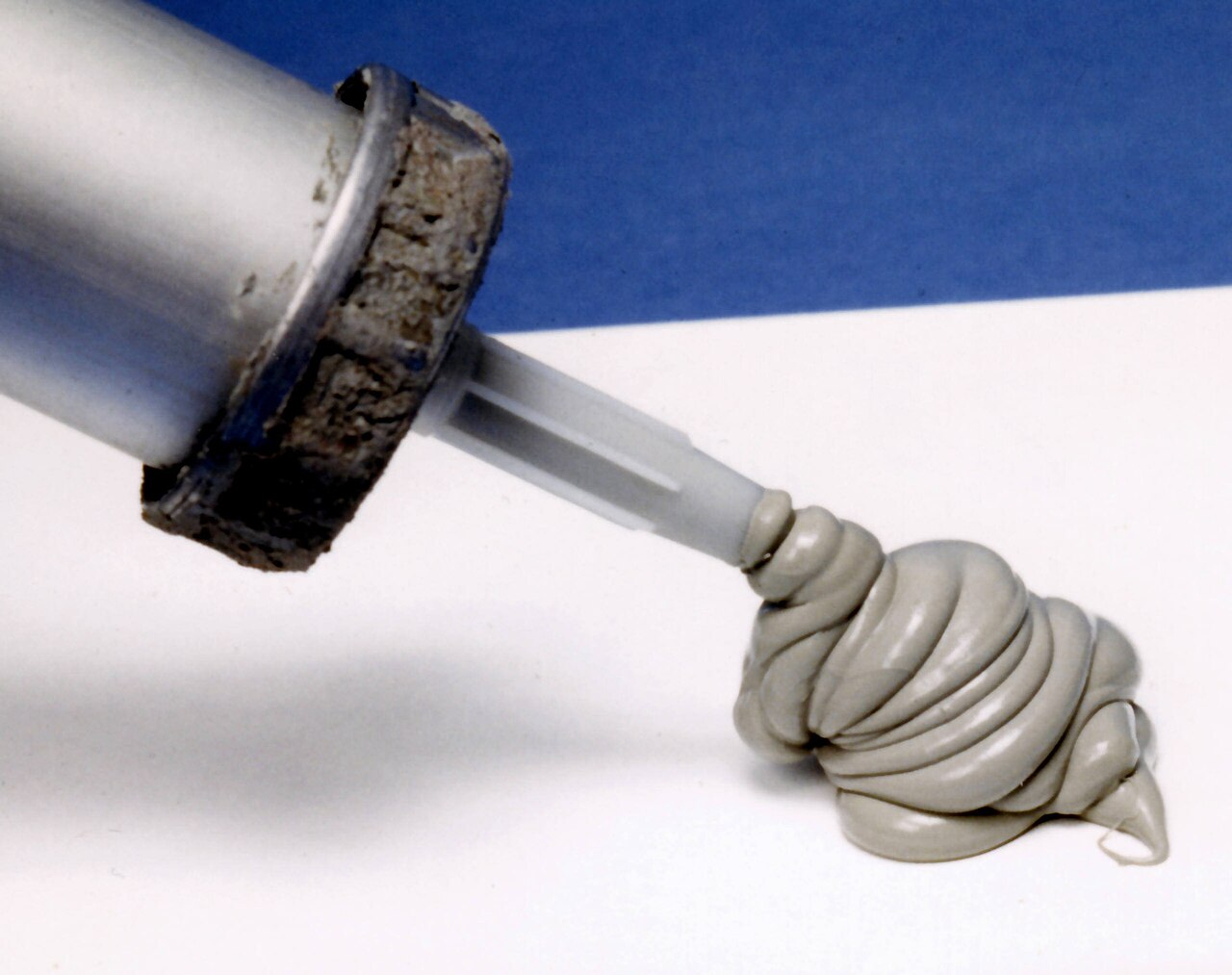
What kind of caulk is best for sealing windows?
Silicone caulk is the most common choice for windows because it stays flexible even in hot, humid air. A standard 10.1-ounce tube runs about $4 to $6 and lays roughly 25 to 40 feet of bead at a 1/8-inch width — enough to seal several windows in one go. Acrylic latex caulk works if you need a paintable finish, but it dries harder and may crack in the summer heat. Look for a product labeled "window & door" or "exterior" to guarantee weather resistance.
How do I prepare the window area before caulking?
First, wipe the frame with a damp rag to remove dust and grease. Then use a utility knife or caulk removal tool to scrape away any old, peeling caulk. Dry the area completely — water or moisture will keep the new bead from sticking. A clean surface lets the silicone bond tightly and keeps the seal lasting for years.
What tools do I need for a clean caulk bead?
You don't need much:
- A 10.1-ounce tube of silicone caulk
- A caulk gun
- A utility knife or razor blade
- A plastic scraper or putty knife
- A damp paper towel for smoothing
- Optional: a caulk smoothing tool
With these tools, you can apply a bead that runs straight and smooth, which is key to keeping air out.
How do I apply the caulk bead properly?
Cut the tube tip at a 45-degree angle so the opening is about 1/8 inch wide. Squeeze a continuous bead along the seam, keeping the gun steady. As you apply, smooth the bead with a wet finger or a smoothing tool, pressing it into the groove. The goal is a uniform, slightly concave bead that fills the gap completely. If the bead droops or forms a bulge, wipe it away and reapply.
How long does it take for the caulk to set and cure?
Silicone caulk feels dry to the touch in about 30 minutes, but it needs a full 24 hours to cure. During that time, don't touch the bead or let rain hit it. Once cured, the seal stays flexible through the temperature swings North Miami sees in summer, from the high 80s to the mid 90s.
When should I test the seal after it cures?
After 24 hours, run a spray bottle of water along the seam. If water beads up and doesn't seep through, the seal is holding. You can also hold the back of your hand near the frame on a breezy day — a tight seal feels still, not drafty.
How much does a caulk tube cost, and how long does it last?
A 10.1-ounce tube of silicone caulk costs roughly $4.00 to $6.00 at a local hardware store. One tube usually seals three or four average windows, so the material cost per window is barely more than a dollar. A well-applied silicone bead lasts five to ten years before it needs touching up — and every gap you seal is air your AC no longer has to fight.
See it done: the part that pushes all that air
Sealing window gaps is one half of the equation; the other half is the system moving the air. The video below from Ask DIY Dad shows how to remove and replace a faulty furnace blower motor — the same kind of blower that pushes cool air through your ducts every summer. It's a different job than caulking, but it gives you a good look inside the air-moving side of your HVAC system.
When to call us
DIY is great, but some jobs need a pro. If the problem persists, you spot anything dangerous, or you'd rather have an expert handle it, call (786) 892-8383 — North Miami Air Care serves North Miami and nearby (Mon-Sat 8AM-8PM). No pressure, no upsells.