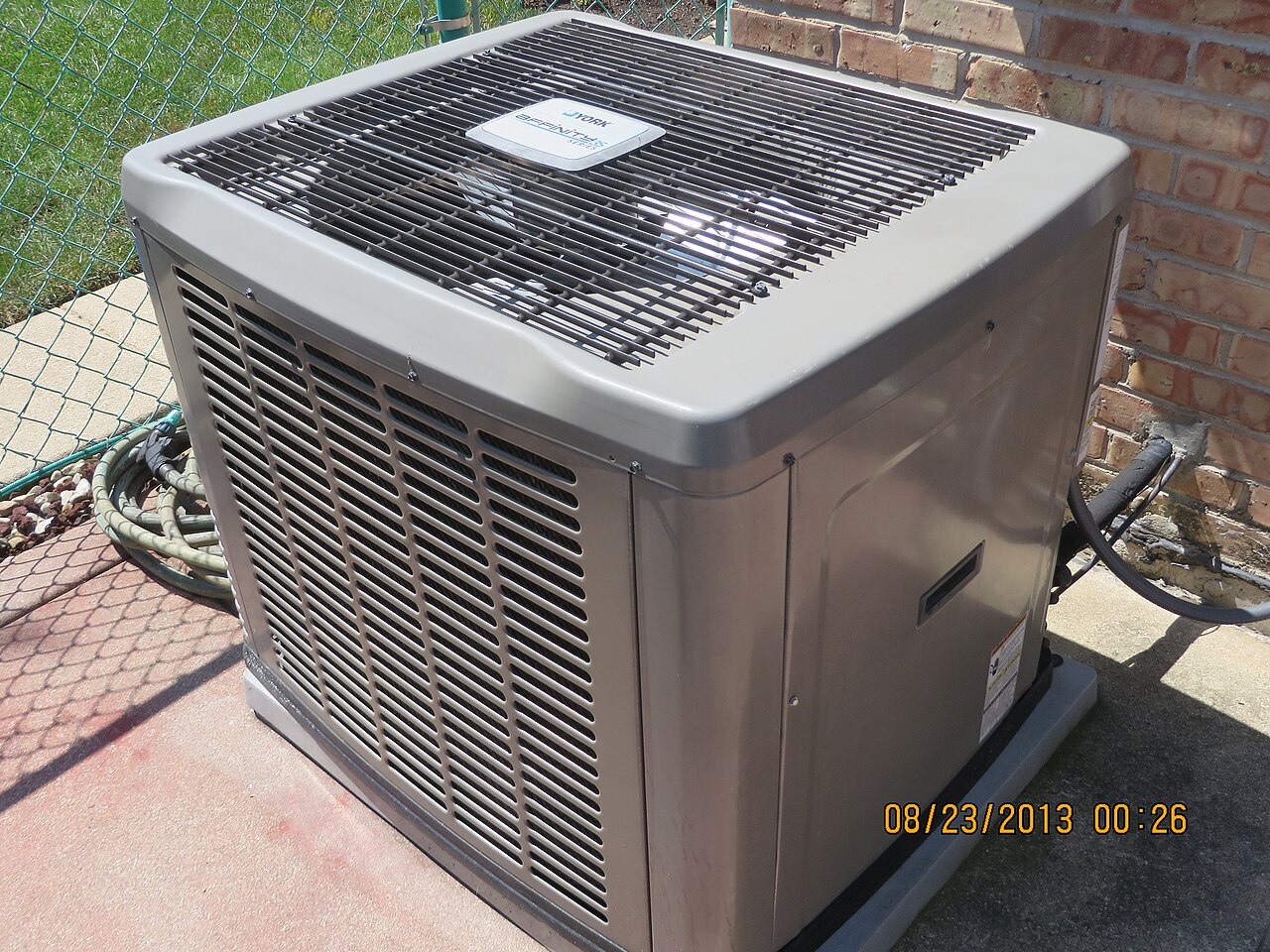
On a muggy Saturday morning in North Miami, the outdoor unit sounds fine — fan humming, nothing rattling — but the air at the vents inside feels a step behind the thermostat. Out back, the reason is easy to see: the condenser coil's fins wear a gray blanket of dust, pollen, and grass clippings, baked on by weeks of heat. That blanket is what this job removes. No chemicals, no service contract — just a garden hose, a gentle spray, and about half an hour of patience.
Why does a dirty condenser coil make the house feel warm?
The outdoor coil has one job: dump the heat your system pulled out of the house into the outside air. Air has to move freely through the fins for that heat to leave. When dust and pollen pack into the fins, the heat stays trapped, the compressor runs longer to do the same work, and the air at your vents never quite catches up. A plain water rinse clears the packing out of the fins, and for most homes in North Miami and nearby, that is the single cheapest cooling fix there is.
What do I need before I start?
A garden hose long enough to reach the unit, a spray nozzle with a shower or fan setting, work gloves, and a soft brush for leaves stuck to the fins. That is the whole list. Skip the pressure washer, skip the coil-cleaning chemicals for a routine rinse, and skip any tool that pries at the fins.
How do I make the unit safe to wash?
Turn the system off at the thermostat first. Then cut the power for real: flip the breaker, or pull the disconnect block in the gray box near the unit. Water and the fan motor do not mix, and a fan kicking on mid-rinse can throw dirty water everywhere. Confirm the fan stays still when the thermostat calls for cooling. Only then pick up the hose.
What do I clear away before any water?
Pull leaves, twigs, and clipping piles away from the base by hand. Trim plants back so the coil has about two feet of open air on every side — a unit suffocating behind shrubs stays dirty no matter how often you rinse it. Brush the fins gently, top to bottom, to knock the loose layer off. Dry debris removed now is debris that does not turn into mud inside the coil later.
Which direction do I spray — and why does it matter so much?
This is the part most people get backwards, so it is worth saying twice. Dirt arrives at the coil from the outside and works its way in. If you only spray from the outside, you push some of that dirt deeper into the fins. If you can rinse from the inside out, the water pushes the dirt back out the way it came in. Many units let you do this: with the power off, remove the screws around the top grille, lift the fan assembly up just enough to lean it aside without stretching its wires, and spray outward through the coil. Not comfortable opening the unit? An outside-in rinse still helps a lot — just take your time and let the water do the work. Either way, aim the spray at a slight downward angle, move slowly from top to bottom, and keep going side to side until the runoff runs clear instead of brown. On a neglected unit that can take several minutes per side, and that is normal.
How much water pressure is safe for the fins?
Gentle. The fins are thin aluminum, closer to heavy foil than to sheet metal, and they fold flat under a hard jet — and folded fins block air completely, which is worse than the dirt you started with. Use the nozzle's shower or fan setting, hold it a foot or so from the coil, and let volume, not force, carry the dirt out. If the spray can sting your palm, it is too strong for the coil. A pressure washer, even waved from a distance, is the one tool that turns this free job into a repair bill.
Seeing the pace of the job helps more than reading about it. The video below walks through cleaning an air conditioner condenser coil with a garden hose — the same hose method this page teaches, on a real outdoor unit.
The video, from the Indoor Air Quality channel, is titled "How to Clean an Air Conditioner Condenser Coil With a Garden Hose," and that title tells you exactly what you get: a condenser coil cleaned with an ordinary garden hose, no specialty equipment. Watch how the work stays calm and methodical — a steady rinse that carries dirt out of the coil, not a blast that forces it in or flattens the fins. That matches the two rules this page keeps coming back to: gentle water, and rinse until what runs off is clear. If your unit went a full South Florida summer without a cleaning, expect your rinse to take longer than the tidy version on screen — same method, more packed-on dust.
How do I finish, and how often should I do this?
Once the runoff is clear, look the fins over. A few slightly bent fins are cosmetic; whole patches folded flat are worth a call — straightening them without tearing them takes a fin comb and a practiced hand. Let the unit dry, put the fan grille back if you lifted it, restore power, and set the thermostat to cooling. Within ten or fifteen minutes the vents should feel like they are keeping up again. In our coastal air — salt, pollen, year-round grass clippings — a rinse every six to twelve months keeps the coil from getting badly packed.
When is a dirty coil not the real problem?
Call a pro instead of reaching for the hose again if you see ice on the lines, an oily stain on the fins (that can mean refrigerant is leaking), a burnt smell, or a fan barely turning. A rinse fixes dirt. It does not fix leaks, motors, or electrical trouble.
When to call us
DIY is great, but some jobs need a pro. If the problem persists, you spot anything dangerous, or you'd rather have an expert handle it, call (786) 892-8383 — North Miami Air Care serves North Miami and nearby (Mon-Sat 8AM-8PM). No pressure, no upsells.