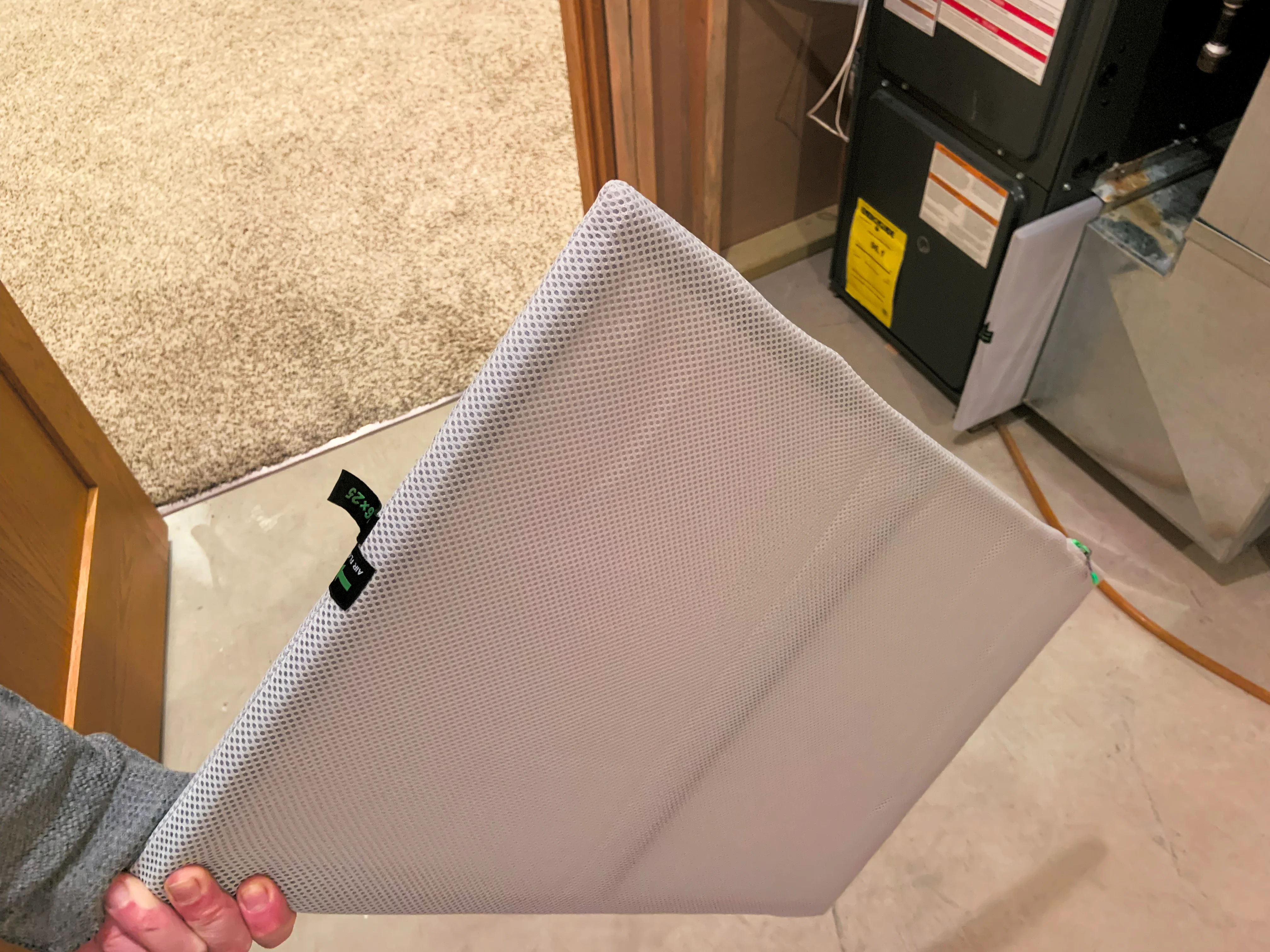
It’s a humid July afternoon in North Miami. The sun is already halfway up the sky, and the air feels thick, like a blanket. You’re standing in your living room, hearing that familiar low hum of the furnace blowing, and you notice a faint musty scent that’s gotten stronger since last week. You’ve been wondering if a new filter is the fix, but you’ve never really looked at the numbers on the box. That’s where the MERV rating comes in – and it can decide how clean your indoor air stays and whether your ductwork can keep up.
What does MERV stand for and why does it matter?
MERV stands for Minimum Efficiency Reporting Value. It’s a number that tells you how many particles a filter can trap. The scale runs from 1 to 20. A lower number means the filter is coarse – it catches big dust and pollen but lets fine particles pass. A higher number means the filter is finer – it captures mold spores, pet dander, even some bacteria. But every extra micrometer you add to the filter’s thickness also slows the air that passes through it. That slowdown can put extra pressure on your blower fan and can even reduce the temperature your AC can reach.
How do I know if my HVAC system can handle a higher MERV?
Most older furnaces and air conditioners were built for MERV 5–8 filters. They’re designed to push air through a relatively open path. If you replace them with a MERV 13 filter, the fan may have to work harder. That can lead to noisy operation, higher energy bills, or even premature wear on the motor. To check, look at the spec sheet that came when you bought the unit or ask a technician to read the model number on the control board. If it says “MERV 13 or higher recommended,” you’re good. If it says “MERV 8 or lower,” you should stay in that range unless you upgrade the blower.
When are MERV 11 and MERV 13 the sweet spot for North Miami homes?
North Miami’s humidity keeps mold spores and pet dander in the air year‑round. MERV 11 filters trap particles that are 3–10 µm – enough to catch most pollen, dust, and the larger mold spores that grow on damp surfaces. MERV 13 pushes that to 1–3 µm, catching smaller mold spores, bacteria, and finer pet dander. In a home where someone has asthma or a pet with loose fur, the extra filtration can make a noticeable difference in air quality. If you have no allergies and just want to keep dust, MERV 8 may be enough, especially if your HVAC unit is older.
What about the cost and maintenance of higher‑MERV filters?
Higher‑MERV filters are usually a bit more expensive. A MERV 8 filter can cost $20–$30 for a full‑size box, while a MERV 13 can run $30–$50. But you’ll also need to change them more often because they clog faster. A MERV 8 filter might last 6–12 weeks, whereas a MERV 13 might need a change every 3–4 weeks in a dusty, humid environment. Factor that into your budget – the savings from better air quality can outweigh the extra cost if you’re sensitive to allergens.
How do I physically choose the right filter size?
First, locate the filter slot on your air handler – it’s usually on the intake side of the furnace or the evaporator coil. Measure the width, height, and depth. The filter box will list a “standard size” such as 16” × 20” × 1”. Pick a filter that matches those dimensions exactly; a tight fit keeps air from leaking around the edges. If you want a higher MERV but the slot only allows a 1‑inch depth, look for a 1‑inch MERV 13 instead of a 1‑inch MERV 8. Never cram a filter in that’s too thick – it will block airflow.
What if my system is already running on a high‑MERV filter?
If you already use a MERV 13 filter and your HVAC is still running fine, you may be fine. But watch for signs of strain: an unusually loud fan, a drop in cooling performance, or higher electricity bills. In those cases, you might need to reduce to MERV 8 or install a fan upgrade. A homeowner can keep an eye on the blower speed gauge (if visible) and note any change in noise or temperature. If you’re unsure, a quick call to a local technician can confirm whether the system is coping.
Does the filter affect indoor humidity?
Filters don’t directly control humidity, but they do trap moisture‑laden particles. In a humid climate like North Miami, a MERV 13 filter can reduce the amount of fine moisture that travels through the ducts, which can help prevent mold growth inside the filter housings. However, if you’re battling high indoor humidity, you’ll still need a proper dehumidifier or a properly sized HVAC system.
When is it time to upgrade the HVAC components, not just the filter?
If you’ve had the same furnace or air conditioner for more than 10 years, it’s likely nearing the end of its useful life. Even with the right filter, an older motor can’t handle the extra pressure of a high‑MERV filter. Signs to look for: a noticeable drop in temperature, a noisy fan, or higher energy bills. In those situations, a professional assessment can recommend a blower upgrade or a new system that’s built for high‑efficiency filtration.
How do I get a professional assessment of my MERV needs?
Many HVAC companies offer a free on‑site evaluation. They’ll check the unit’s capacity, test airflow, and recommend the best filter range. They’ll also look at your home’s layout and duct design to make sure the recommended MERV won’t choke the system.
Below is a short summary of what the video shows.
The embedded video is a DIY guide to choosing the best furnace air filter, explaining MERV ratings and what else to look for when picking a filter for your home.
When to call us
DIY is great, but some jobs need a pro. If the problem persists, you spot anything dangerous, or you'd rather have an expert handle it, call (786) 892-8383 — North Miami Air Care serves North Miami and nearby (Mon-Sat 8AM-8PM). No pressure, no upsells.