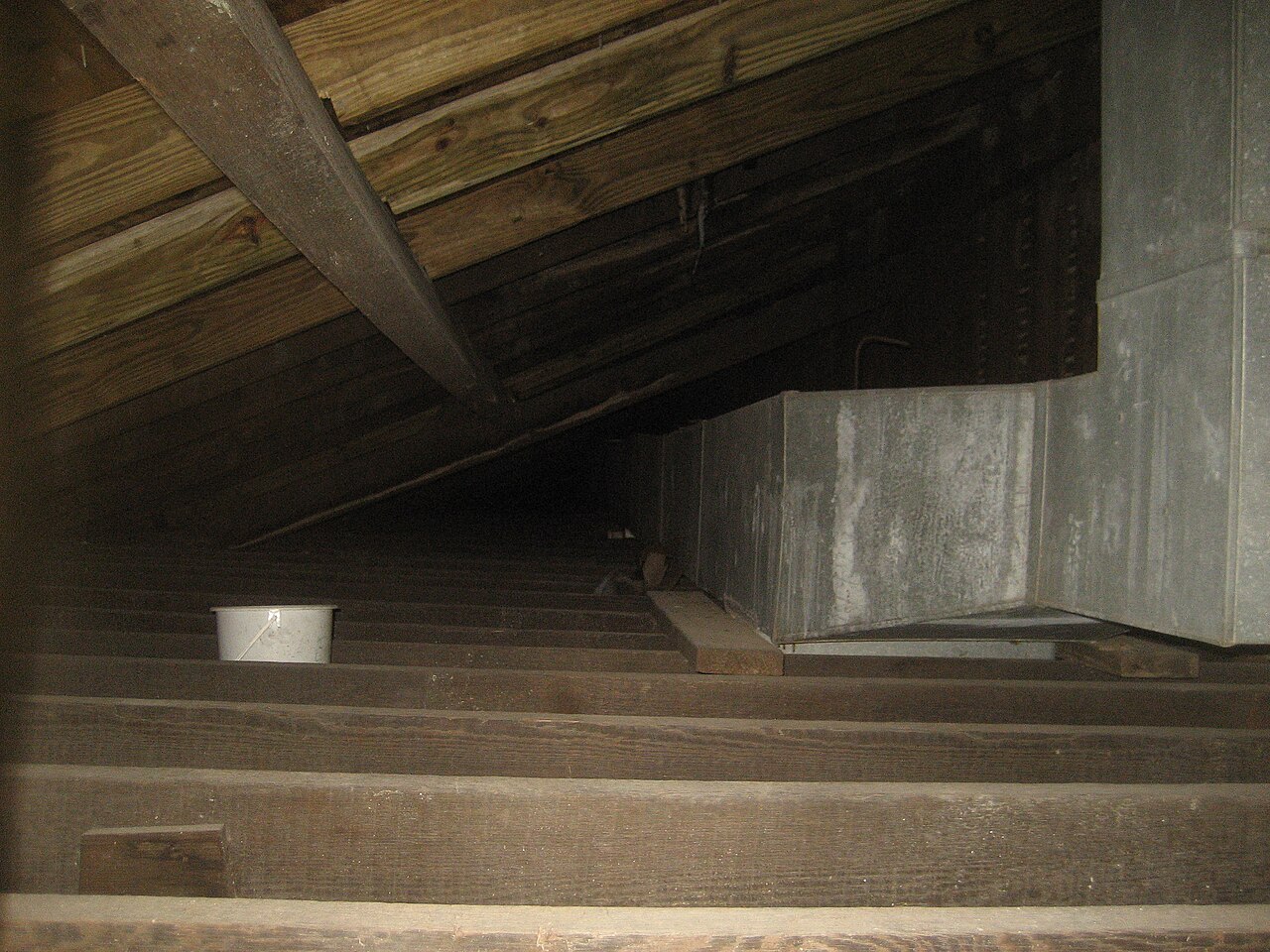
It's a humid Saturday in North Miami, and Maria wakes up early to check her air conditioning. She hears the fan humming, yet the back bedroom at the end of the hall still feels warm and stuffy. She opens the door hoping for a cool blast, but the room barely stirs. She knows the vents in the living room are clear, but the far room is still a dead zone.
She calls her neighbor Luis, who's dealt with his share of AC trouble over the years. He points out that the problem is usually the duct run itself — a kink, a leak, or a damper nobody knew was closed. Maria decides to take a closer look before she contacts a professional. That's the start of a simple, neighbor‑to‑neighbor fix.
To improve airflow to a far room, start with the free fixes: open any closed dampers, then check the attic for kinked or crushed flex duct — the most common culprit in South Florida homes. If the duct run is intact, a register booster fan or a second supply run from the plenum will push real air into the room.
Why does airflow drop in rooms far from the HVAC unit?
Air travels through a network of ducts, and every foot of duct adds resistance — like trying to drink a milkshake through a longer straw. The farther a vent is from the unit, the more resistance the air faces, and the less air reaches the far room. A short, straight duct keeps air moving; a long run with kinks, sags, or leaks bleeds it off before it arrives.
How can I check if my ducts are kinked, leaking, or too small?
First, check the dampers — the little levers on the supply ducts near the air handler. In many homes one got bumped closed years ago and nobody noticed. Next, if you can get into the attic safely, look at the flex duct feeding the far room. Flex duct is the bendy silver tube most South Florida attics use, and it kinks easily where it straps to a joist or sags between supports. A crushed or sharply bent section chokes airflow the way a kinked garden hose chokes water. Also feel along duct joints for air leaking out — a disconnected joint in a 130° attic dumps your cold air where nobody benefits.
On sizing: most bedrooms get a 6‑inch flex run. If you find a 4‑inch — or worse, a 3‑inch — feeding a bedroom, that's your bottleneck. The fix is a second supply run off the plenum, which is pro work, not DIY.
What simple steps can I take to boost airflow without a full duct overhaul?
1. Open every damper. Free, takes five minutes, fixes the problem more often than you'd think.
2. Straighten kinked flex duct in the attic. Go up in the cool of the morning, re-strap any sagging sections so the run is smooth and supported.
3. Seal obvious leaks. Where a duct joint has pulled apart, seal it with mastic or foil tape (not cloth duct tape — it dries out in attic heat).
4. Use a register booster fan. These drop right into the floor or wall register and pull more air through when the system runs — a $40–$80 fix that helps weak vents without touching the ductwork.
The video from Man About Home, “Installing a HVAC Duct Booster — Part 1,” walks through a real booster-fan installation — mounting the fan, tying it into the duct, and powering it — so you can see what the job actually involves before deciding whether it's DIY or pro work.
When should I consider adding a second supply vent or a duct booster fan?
If you notice that the far room consistently feels warmer and stuffier than the rest of the house, or if the temperature difference stays above 5°F even after cleaning, it’s time to think about a second vent. A second supply vent gives the system a direct path to the room, cutting out the long, narrow duct that’s the source of resistance. A duct booster fan is a cheaper alternative that still forces more air into the far space. Both options are worth considering if the room is a primary living area or a bedroom where comfort matters.
How do I choose the right size of duct for a far room?
Start with the room's square footage. For a typical bedroom (about 120 square feet), a 6‑inch flex run is the standard. If the room is larger — over 200 square feet — talk to a pro about a 7‑inch run or a second supply. Measure the length from the HVAC unit to the vent too: the longer the run, the more any kink, sag, or undersizing hurts. Sizing a new run is Manual‑D work — a pro calculation, not a guess — so treat this section as diagnosis, not a DIY shopping list.
When to call us
DIY is great, but some jobs need a pro. If the problem persists, you spot anything dangerous, or you'd rather have an expert handle it, call (786) 892-8383 — North Miami Air Care serves North Miami and nearby (Mon-Sat 8AM-8PM). No pressure, no upsells.