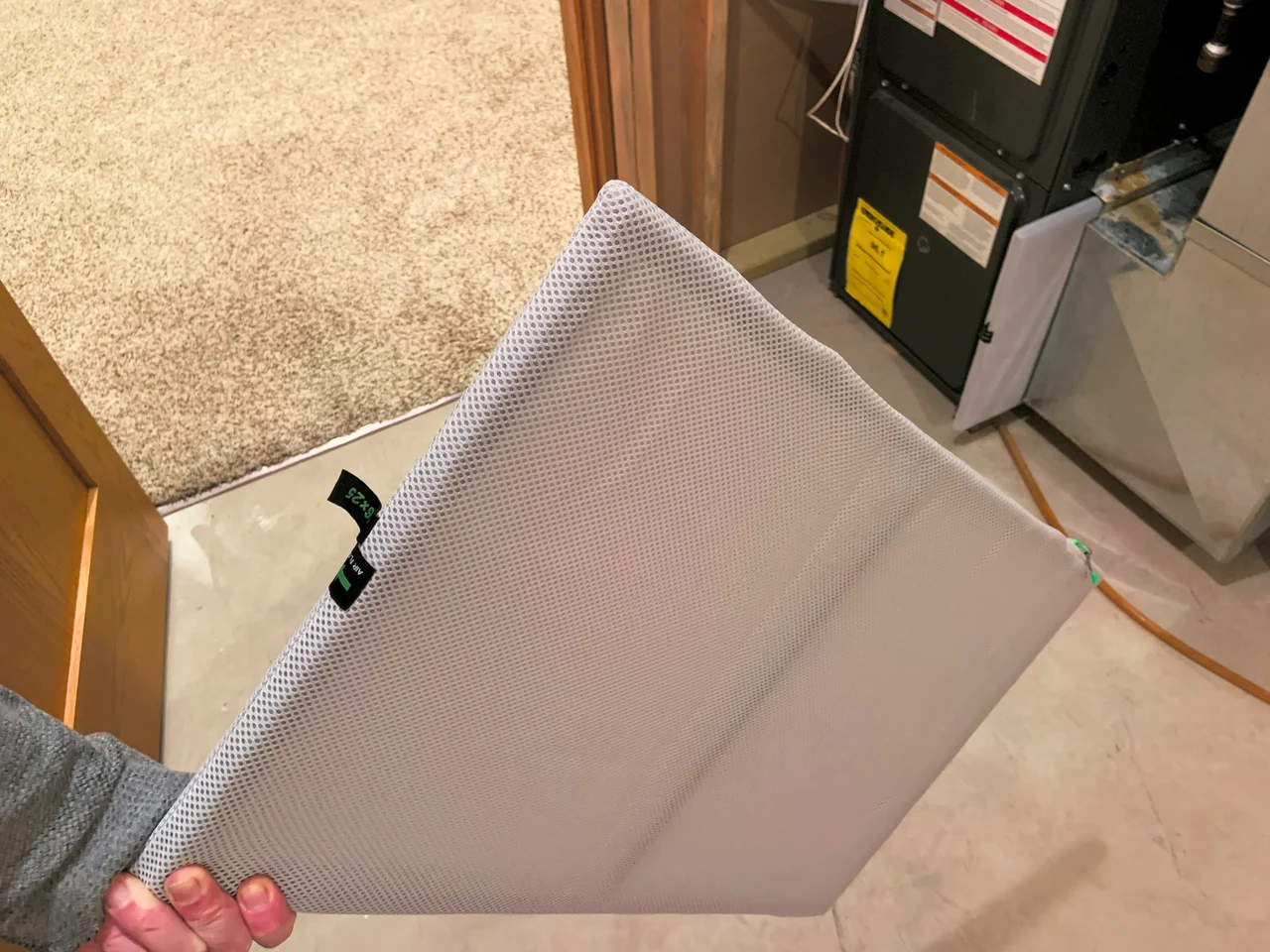
It was a hot Saturday morning in North Miami, the kind of humidity that makes the air feel thick. The kids were playing in the sprinkler on the front lawn when I heard the compressor hum grow faint and then stop. I ran to the back of the house, opened the vent, and saw a gray, clogged filter. The air that used to feel crisp was now warm and dusty. It was a clear sign that something needed to change.
How often should I change my HVAC filter?
Most manufacturers say 3 months for a standard 1‑speed unit, but local conditions can push that lower. If you have dogs that shed or a lot of indoor activities, a 1‑month schedule keeps the air clean and the unit running efficiently. In a dry, low‑traffic home you can stretch to 3 months.
Why does a dirty filter hurt my AC?
A filter traps dust, pollen, and pet hair. When it becomes clogged, the air flow drops. Think of it like a coffee filter that’s full of grounds—you still turn the machine, but nothing comes out as clean or as fast. The compressor works harder, the temperature drops, and the energy bill rises. A clean filter lets the unit move the full airflow it was designed for, so it can finish its cooling cycle instead of running long and struggling.
What signs mean the filter needs replacing?
- Visible dirt. A gray or black layer on the back of the filter.
- Reduced airflow. The vents feel weak or the blower fan sounds louder.
- Musty smell. The air feels stale or has a damp odor.
- Higher energy bill. A sudden jump in the electric bill after a month of normal use.
- Filter check. Every month, pull the filter out and look. If it’s more than 50 % clogged, replace it.
How do I know the right filter size?
Every HVAC system has a specific filter size stamped on the old filter or in the owner's manual. Common sizes are 16×20×1, 20×25×1, or 20×25×2. If you’re unsure, measure the length and width of the opening and buy the closest match. A filter that’s too small or too big won’t seal properly and will let dust escape.
What type of filter should I buy?
There are three main types: fiberglass, pleated, and HEPA. Fiberglass is the cheapest and best for simple dust removal. Pleated filters have more surface area and can capture finer particles; they’re good for allergy sufferers. HEPA filters are the most efficient but are pricier and may not fit standard housings. For most North Miami households, a pleated filter with a MERV‑8 rating balances cost and performance.
Can I leave the filter in for longer than recommended?
Technically you can, but the unit will have to work harder. A clogged filter forces the fan to push air through a narrow gap, causing the motor to burn hotter and the compressor to overheat. Over time, this can shorten the life of the system. Think of a bicycle chain that’s slicked with grease; it runs smoothly until the chain gets too worn.
What happens if I skip filter changes?
Air quality drops, dust settles on surfaces, and mold can grow in the ductwork. The system may hit a safety limit and shut down, or the compressor may overheat and trigger a protection circuit. In the worst case, you’ll need a full duct cleaning and possibly a replacement compressor.
How do I check the filter without opening the cabinet?
Most systems have a removable door or panel. Open it, pull the filter out, and look at the back. If the dust layer is thicker than a quarter of an inch, it’s time to replace. Some HVAC units let you pull the filter out with a quick click; others need a screwdriver.
What if I have a smart thermostat?
Smart thermostats can alert you when the airflow drops or when the system detects a clogged filter. Check the app for notifications; they often say “Filter check” or “Airflow low.” Use these alerts as a cue to inspect and replace.
How does the local humidity affect filter life?
North Miami’s humidity means dust can become damp and stickier. Moisture also encourages mold spores. A filter that’s only 3 months old can become clogged faster in high humidity. If you notice a musty smell, replace the filter earlier.
When do I need a professional to replace a filter?
If your HVAC system has a sealed cabinet or a complex duct layout, it’s safer to call a pro. Also, if the unit is still under warranty, replacing the filter incorrectly can void it. A technician will check the seal, measure the airflow, and ensure the new filter is installed correctly.
Below is a short DIY clip of rinsing a central AC condenser — a different maintenance task from a filter swap, but the same preventative-maintenance mindset. It shows how a few minutes of regular care keeps the system breathing easy, which is exactly what staying on your filter schedule does for the indoor side of the system.
The embedded video is a DIY clip of rinsing a central AC condenser coil — a different maintenance task from a filter swap, but the same preventative-maintenance idea. A few minutes of regular care keeps the whole system breathing easy; apply that mindset to your filter schedule and the indoor side stays just as healthy.
When to call us
DIY is great, but some jobs need a pro. If the problem persists, you spot anything dangerous, or you'd rather have an expert handle it, call (786) 892-8383 — North Miami Air Care serves North Miami and nearby (Mon-Sat 8AM-8PM). No pressure, no upsells.