It's 9:30 on a Tuesday morning in a house two blocks west of Biscayne Blvd, just south of NE 125th Street. The AC kicks on and the hallway vent pushes out a wave of air that smells faintly like a damp closet — musty for the first thirty seconds, then gone. If that sounds familiar, you're smelling what South Florida humidity does inside ductwork and on a wet evaporator coil. The good news: it's preventable, and the prevention is mostly discipline, not equipment.
Why does mold grow so fast in Miami's humidity?
Miami's humidity is a double-edged sword. On one hand, it keeps the air comfortable and refreshing. On the other, it creates the perfect breeding ground for mold. Mold needs moisture, organic material to grow on, and the right temperature to thrive. In Miami, the high humidity levels provide the moisture, while the warm temperatures keep the mold growing. The combination of these factors means that mold can grow in your ductwork in as little as 48 hours.
But it's not just the humidity that's the problem. The high temperatures in Miami also contribute to the growth of mold. Mold needs a temperature range of between 40°F and 110°F to grow. In Miami, the temperatures are often in the 80s and 90s, which is perfect for mold growth. This means that if you have any moisture in your ductwork, mold can start growing quickly.
How does humidity affect your HVAC system?
Your HVAC system is designed to keep your home comfortable, but it can also be a breeding ground for mold. When the air inside your home is too humid, the moisture in the air can condense on the surfaces of your HVAC system, including the ductwork. This condensation can then provide the moisture that mold needs to grow.
In Miami, the high humidity levels mean that your HVAC system is constantly dealing with moisture. The air inside your home is often humid, and the air outside is also humid. This means that your HVAC system has to work harder to dehumidify the air inside your home. As a result, the moisture in the air can condense on the surfaces of your HVAC system, creating the perfect conditions for mold growth.
How do you keep indoor humidity under control?
Keeping the indoor humidity under control is one of the best ways to prevent mold growth in your ductwork. The ideal indoor humidity level is between 30% and 50%. If the humidity level is too high, it can lead to mold growth, while if it's too low, it can lead to dry skin and respiratory problems.
There are several ways to keep the indoor humidity under control. One of the most effective ways is to use a dehumidifier. A dehumidifier works by removing moisture from the air, which can help to prevent mold growth. Another way to keep the indoor humidity under control is to use exhaust fans. Exhaust fans can help to remove moisture from the air, which can help to prevent mold growth.
Why does filter discipline matter for mold prevention?
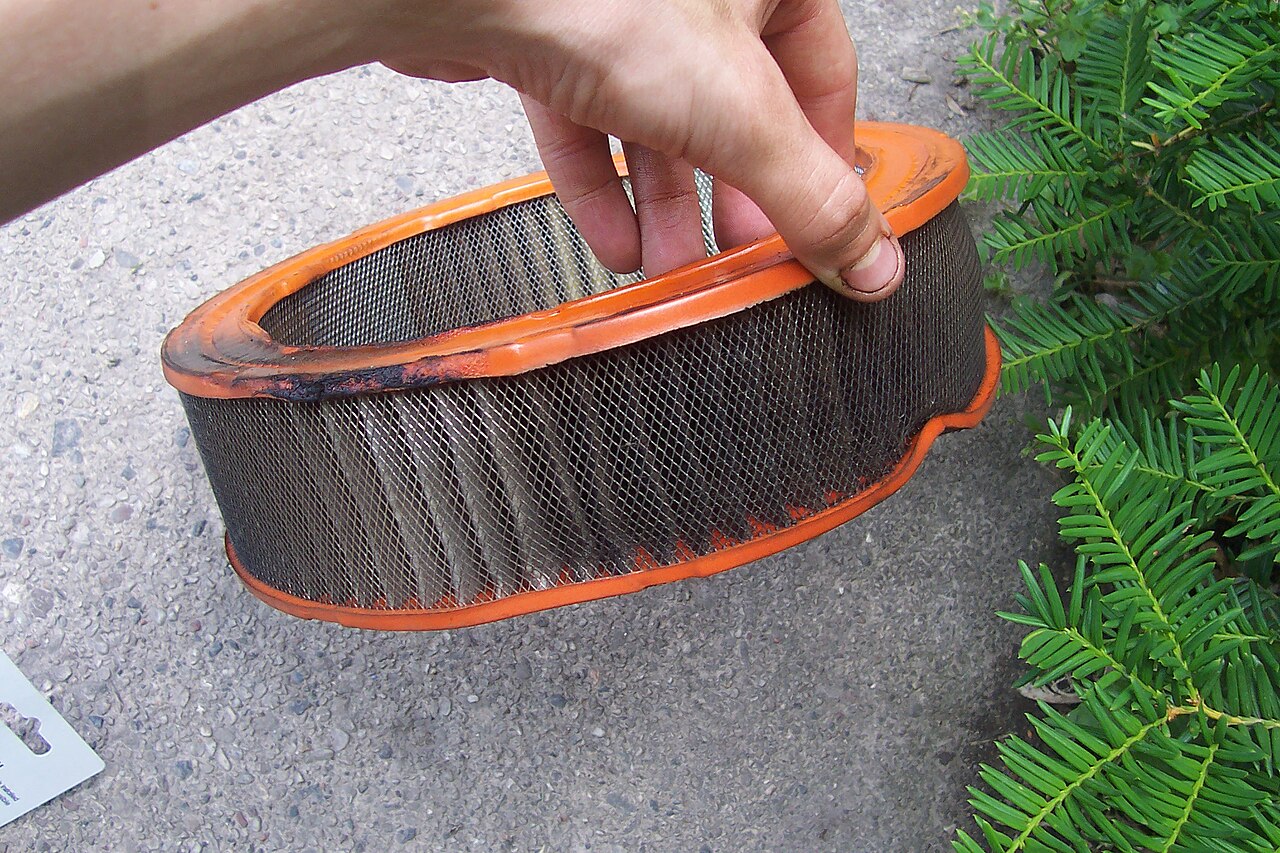
Your HVAC filters play a crucial role in preventing mold growth. A clogged filter reduces airflow, which can cause the air to become more humid. This can lead to condensation on the surfaces of your HVAC system, creating the perfect conditions for mold growth. Therefore, it's important to change your filters regularly to prevent mold growth.
The frequency with which you should change your filters depends on the type of filter you have. For example, a standard fiberglass filter should be changed every 1-3 months, while an electronic air cleaner should be changed every 6-12 months. It's important to follow the manufacturer's recommendations for changing your filters to ensure that you're keeping your HVAC system clean and mold-free.
What does professional HVAC deep cleaning and duct sanitization do?
Even with the best efforts to prevent mold growth, it's possible that mold can still grow in your ductwork. In this case, it's important to have your HVAC system professionally cleaned. A professional HVAC deep cleaning deep-cleans the evaporator coil, blower, and ductwork and applies a preventative anti-microbial treatment that keeps the system hostile to future growth.
In addition to a deep cleaning, it's also a good idea to have your ducts sanitized. Duct sanitization involves the use of a special cleaning solution that is designed to kill mold and other microorganisms. This can help to ensure that your ductwork is completely clean and mold-free.
Weak cooling is often the first symptom a homeowner actually notices when a coil is dirty — and a dirty, constantly damp evaporator coil is exactly where growth starts. If your system runs and runs but the house never quite cools, this diagnostic walkthrough shows how to read those symptoms and separate what you can check yourself from what needs a technician.
This video is a straight diagnostic walkthrough for the exact complaint we hear every summer: the system runs, but the air coming out of the vents isn't cold. It starts where every good diagnosis starts — at the thermostat and the filter — then moves to the equipment, showing what normal operation looks and sounds like versus a system that's struggling. You'll see how to tell whether the outdoor fan and compressor are both running (both should be), what iced-over refrigerant lines look like and what they mean (low charge or restricted airflow — either way, a pro's job), and how a dirty coil chokes the system's ability to move heat. The video keeps the homeowner-safe checks clearly separated from the hands-off parts: filters, breakers, and thermostat settings are yours; refrigerant and electrical components belong to the technician. Watch it once and you'll know which problem you're dealing with before anyone picks up a wrench — and if the coil is the culprit, you'll understand exactly why the deep cleaning and anti-microbial treatment in the section above matters.
When to call us
If you're experiencing mold growth in your ductwork, it's important to have your HVAC system professionally cleaned. Our team of experienced technicians at North Miami Air Care deep-cleans the evaporator coil, blower, and ductwork and applies a preventative anti-microbial treatment that keeps the system hostile to future growth. We serve the North Miami area, including the Biscayne Blvd corridor, NE 125th, NE 163rd, Ojus, and Bal Harbour border.